L19 rubbish collection guide for Garston flats and houses
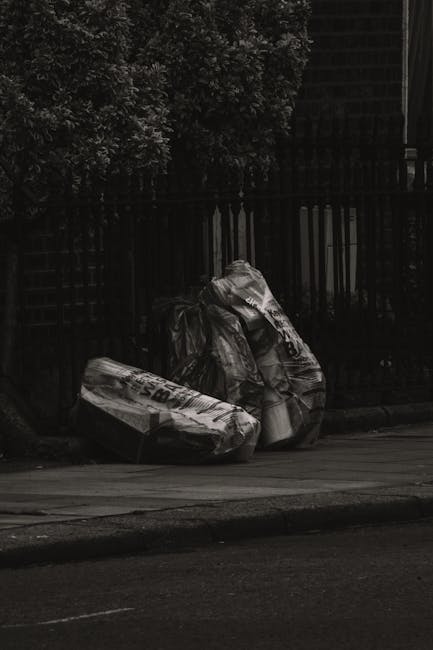
If you live in Garston or manage property in L19, rubbish has a funny habit of becoming a bigger job than you expected. One bag turns into three. A broken wardrobe appears in the hallway. The bin store is full, the lift is busy, and suddenly the whole place feels cluttered. This L19 rubbish collection guide for Garston flats and houses is here to make that easier.
Whether you are clearing a flat after a tenancy, getting rid of furniture from a terraced house, or sorting out mixed household waste after a renovation, the right approach saves time, avoids stress, and helps you deal with waste safely and properly. In this guide, you will find practical steps, common pitfalls, and the best ways to handle rubbish collection in Garston without making a mess of the process.
Quick takeaway: The easiest rubbish collection is the one planned properly. Sort the waste, understand access, separate anything awkward, and choose a collection method that suits your property layout. Simple, but it matters.
Why L19 rubbish collection guide for Garston flats and houses Matters
Garston has a mix of housing types, and that changes how rubbish needs to be handled. A ground-floor house with a driveway is one thing. A top-floor flat with narrow stairs, a shared entrance, and limited parking is another story altogether. If you treat them the same, you usually end up with delays, blocked access, or waste left sitting around longer than it should.
That is especially noticeable during busy life moments: a tenancy changeover, a spring clear-out, a kitchen replacement, or the awkward post-renovation stage where dust seems to live in every corner. The waste itself may not be complicated, but the logistics often are. Bags, bulky items, and mixed materials all need a sensible plan.
For flats, the main issue is access. For houses, it is often volume. For both, the biggest risk is simply underestimating how much rubbish there really is. Let's face it, most people do. A single bedroom clearance can quietly become a small load of furniture, bedding, broken bits, and a handful of items that should not just be left beside a communal bin.
This is why a local-minded rubbish collection guide is useful. It helps you think through the move from "I need this gone" to "I know exactly how to get this sorted safely and efficiently."
How L19 rubbish collection guide for Garston flats and houses Works
Rubbish collection in L19 usually starts with identifying what you have, where it is located, and how it can be removed without causing disruption. That sounds obvious, but in practice those three questions shape everything.
For a flat, the process often depends on stair access, lift availability, parking restrictions, and whether items can fit through doors without damage. For a house, the focus is often on load size, separation of reusable items, and whether the waste includes bulky or awkward materials.
In a typical collection, the waste is assessed, loaded, and removed in one visit or over a planned set of visits. Mixed rubbish may include general household waste, old furniture, bags of clutter, electrical items, and some materials that need extra care. If you are dealing with a full property clearance, you may also want to look at flat clearance, house clearance, or broader home clearance options, depending on the scale of the job.
There is also a practical difference between routine rubbish removal and clearance work. Rubbish collection is usually about removing waste that has built up. Clearance work goes a step further and deals with a room, a property, or a large group of items in one go. If your job includes old sofas, wardrobes, mattresses, or white goods, that distinction becomes useful very quickly.
One thing people often underestimate is the time saved by preparing the rubbish before collection. Even ten minutes of sorting can make the whole job smoother. It means less back-and-forth, fewer questions on the day, and less chance of awkward surprises at the bottom of a stairwell. Been there, seen that, frankly.
Key Benefits and Practical Advantages
The biggest benefit of organised rubbish collection is simple: it gives you breathing space. A clear hallway, a clear bin area, and a clear schedule make the property feel calmer almost instantly.
- Less disruption: Waste is removed in a controlled way, which matters in shared buildings and busy streets.
- Safer access: Clear pathways reduce the risk of trips, scrapes, and damaged walls.
- Better presentation: Important for landlords, letting agents, and homeowners preparing for viewings.
- More efficient clearance: Sorting waste properly makes loading faster and easier.
- Reduced stress: You are not left staring at pile after pile, wondering where to begin.
There is another benefit people sometimes ignore: peace of mind. If you are unsure about what can go where, whether an item needs special handling, or how much can be shifted in one visit, a structured collection approach removes a lot of guesswork.
If the waste includes awkward or specialist items, it can be worth checking dedicated services such as fridge and appliance removal, mattress and sofa disposal, or furniture disposal. These are the sort of items that can turn a straightforward collection into a minor headache if they are not handled properly.
Who This Is For and When It Makes Sense
This guide is for anyone in Garston or the surrounding L19 area who needs rubbish removed from a flat or house without wasting time. That includes homeowners, tenants, landlords, letting agents, and property managers.
It also makes sense if you are in one of these situations:
- you have just moved and need old clutter removed
- a tenancy has ended and the property needs to be emptied
- you are replacing furniture or appliances
- you are clearing a loft, garage, or spare room
- you have waste from decorating or light building work
- you want a one-off clearance rather than ongoing bin management
For lighter domestic clear-outs, a general waste removal service may be enough. If the job is more about a room full of accumulated items, then something like loft clearance or garage clearance may fit better. The key is choosing the right service for the actual mess in front of you, not the one that sounds most convenient in the moment.
Truth be told, people often wait too long. They put the rubbish "to one side" for a week, then two weeks, and by then it has become part of the room. If that sounds familiar, you are very much not alone.
Step-by-Step Guidance
Here is a practical way to handle rubbish collection in Garston flats and houses without getting overwhelmed.
- Walk the property first. Look at every room, cupboard, hallway, and storage space. Don't forget the obvious places like under stairs, sheds, and loft hatches.
- Separate waste into rough categories. Keep general rubbish, furniture, electrical items, garden waste, and anything potentially hazardous apart.
- Check access carefully. Measure doorways if needed. Think about stairs, lifts, parking, and whether items need to be carried through shared areas.
- Pull out anything reusable. Papers, valuables, and personal items can disappear into a clearance pile surprisingly fast. It happens.
- Identify special items. Appliances, fridges, mattresses, and heavy furniture may need separate handling.
- Choose the right collection method. For some jobs, a planned collection is ideal. For others, a full property service is more sensible.
- Prepare the property on the day. Clear walkways, open access points, and make sure anything staying in the property is clearly separated.
- Confirm the final sweep. Before the team leaves or before your collection is completed, check cupboards, behind doors, and the corners people always forget. The back of the airing cupboard is a classic hiding place, somehow.
If you are doing the job yourself, it helps to think in layers: first the obvious waste, then the bulky items, then the small stuff, then the awkward stuff. That order reduces panic and stops you loading the easy things last, which is a very human habit.
Expert Tips for Better Results
Here are the small things that make a real difference.
1. Don't mix everything together too early. Once waste is combined, it gets harder to separate anything that needs special treatment. Keep electricals, sharp items, and personal documents apart until you know what is happening with them.
2. Photograph bulky items in advance. It helps with planning, especially if you are comparing collection methods or estimating access problems. A picture of a staircase can say more than five paragraphs.
3. Think about neighbours. In flats, collections work better when you avoid peak times, keep communal areas clear, and limit noise where possible. A little consideration goes a long way.
4. Use room-by-room sorting for bigger jobs. Instead of making one giant pile, work through each room separately. This is especially useful for houses with lofts, garages, and spare rooms that have quietly become storage zones.
5. Be realistic about lifting. If an item feels too heavy, too awkward, or too risky to move alone, it probably is. No prize for bravado here.
6. Check whether reusable items can be diverted. If furniture is still in decent condition, it may be better managed through a clearance route rather than treated as mixed rubbish. Services such as furniture clearance can be useful when you have several larger items to remove in one go.
One more practical tip: if you are near a moving date, schedule waste collection before the final handover, not on the day after. That tiny bit of timing can save a lot of last-minute pressure. The hallway always looks smaller when you are tired.
Common Mistakes to Avoid
Most rubbish collection problems are avoidable. The trouble is, they feel small until they are not.
- Leaving waste in shared areas too long. In flats, this can create complaints and access issues.
- Underestimating volume. A few bags in one corner often turns into a much larger pile once sorted.
- Ignoring specialist items. Fridges, mattresses, and certain appliances are not best treated as ordinary rubbish.
- Blocking exits or corridors. This creates safety risks and makes the job harder for everyone.
- Forgetting hazardous items. Paints, chemicals, and similar materials need extra caution and should be dealt with separately.
- Not checking what is staying behind. Especially in shared households or rental properties, this causes arguments later. Not ideal, to put it mildly.
Another common mistake is choosing a collection method before understanding the access. A service might be perfectly suitable for a house but awkward for a third-floor flat with tight stairs. That does not mean it cannot be done; it just means the plan needs to match the property.
Tools, Resources and Recommendations
You do not need a van full of specialist kit to organise rubbish collection well, but a few basic tools help more than people expect.
- Heavy-duty gloves: Useful for sorting sharp or dirty items.
- Sturdy bags and boxes: Makes small-item sorting much easier.
- Marker pens and labels: Handy for marking what stays, what goes, and what needs special attention.
- Measuring tape: Essential for bulky items and narrow access.
- Trolley or sack truck: Helpful for heavier items where safe to use.
For specific item types, it can also help to think in service categories. If you are clearing a room full of old seating or bedding, mattress and sofa disposal may be the cleanest answer. If you have building debris after repairs, builders waste clearance is more appropriate than trying to manage it as everyday rubbish. And if the issue is mainly a cluttered room or whole property, home clearance is often the better fit.
It is also worth using the site's information pages to understand service expectations. For example, pricing and quotes can help you think through the factors that affect cost, while recycling and sustainability is useful if you want a more responsible disposal approach.
Law, Compliance, Standards, or Best Practice
Waste handling in the UK should be taken seriously, even for domestic clear-outs. You do not need to memorise legal jargon, but you do need to avoid careless disposal. The basic rule is straightforward: rubbish should be collected, transported, and dealt with responsibly, especially where there are hazardous or bulky items involved.
For homeowners and tenants, the main practical points are simple. Do not leave waste where it creates obstruction. Do not assume everything can go in the same pile. Do not mix ordinary rubbish with items that need specialist disposal. And if you are unsure about anything potentially hazardous, ask before moving it around.
In shared buildings, best practice also includes being considerate with timing, access, and noise. Communal hallways are not your private storage area, and, honestly, nobody wants to squeeze past an old chest of drawers at 8 a.m.
If your waste includes anything that could pose a risk, such as broken appliances or sharp materials, extra care is sensible. Pages like hazardous waste disposal, fridge and appliance removal, and insurance and safety can help you think about the right precautions and why they matter.
The best standard, in everyday terms, is this: make the collection safe, make it traceable in your own mind, and make sure nothing is left that should not be there.
Options, Methods, or Comparison Table
Different types of rubbish calls for different methods. Here is a simple comparison to help you choose the right route.
| Method | Best for | Strengths | Watch-outs |
|---|---|---|---|
| DIY bagging and tip run | Small, manageable amounts of waste | Low-cost if you already have transport | Time-consuming, lifting risk, multiple trips |
| Planned rubbish collection | General household waste and mixed items | Convenient, quicker, less effort | Needs good sorting and access planning |
| Flat clearance | Tenancies, bulky items, shared access buildings | Suited to compact properties and stairs | Requires clear pathways and timing |
| House clearance | Larger domestic jobs and full-property clear-outs | Better for high-volume waste | Can uncover more waste than expected |
| Specialist item disposal | Appliances, sofas, mattresses, or awkward items | Safer handling and better matching | Needs item-specific planning |
If you are hesitating between options, ask yourself one practical question: is this a tidy bag job, or is it really a property-clearance job in disguise? That answer usually settles it.
Case Study or Real-World Example
A typical Garston scenario goes like this. A couple move out of a two-bedroom flat after downsizing. The flat is tidy enough at first glance, but once they start opening cupboards and the box room, the amount of waste becomes much more obvious. There are broken shelves, a mattress, a few bags of mixed clutter, an old microwave, and a sofa that has seen better days.
At that point, the job is no longer just "take some rubbish away." It becomes an access and sorting problem. The hallway is narrow. There is a shared entrance. The lift is small, and the sofa will not turn the corner without planning. So the sensible approach is to separate the items first, identify what needs special handling, and remove the bulky pieces in a sequence that matches the building layout.
What usually makes the biggest difference is not brute force. It is preparation. Once the waste is grouped, the route is clear, and the awkward items are handled first, the rest of the collection moves quickly. You can almost hear the relief in the room when the last large item is out. A bit dramatic, maybe, but true.
That same logic works for houses too. A family clearing a garage or loft may think they have a simple load of junk. Then the boxes come down, the old tools appear, the broken chair gets added, and the pile grows. Organised sorting saves the day there as well.
Practical Checklist
Use this checklist before your rubbish collection in Garston:
- Walk through every room and storage area
- Separate rubbish from items you want to keep
- Put bulky items in one visible area
- Keep hazardous or questionable items apart
- Check stairways, lifts, doors, and parking access
- Measure large furniture if access looks tight
- Remove personal documents and valuables first
- Decide whether you need general removal or a clearance service
- Make communal spaces clear and safe
- Confirm what should happen with appliances, mattresses, or sofas
- Schedule the collection before your deadline, not after it
- Do one final sweep of cupboards and corners
If you can tick most of those off, the actual collection day tends to feel far less chaotic. That is the goal, really.
Conclusion
A well-planned rubbish collection in Garston is never just about "getting rid of stuff." It is about understanding the property, the access, the type of waste, and the best way to move everything out safely. Flats need careful handling of shared spaces and tight access. Houses often need a smarter approach to volume and bulky items. Either way, good preparation makes a bigger difference than people think.
If you remember only one thing from this guide, make it this: sort first, lift safely, and choose the right method for the property. That one habit saves time, reduces stress, and makes the whole process feel much more manageable.
For anything from mixed household waste to furniture, appliances, or a fuller property clear-out, the most useful next step is usually to look at the relevant service page, check the practical details, and decide what fits the job best. A little planning now is worth a lot less hassle later.
Get a free quote today and see how much you can save.
Frequently Asked Questions
What is the best way to organise rubbish collection for a flat in L19?
The best approach is to sort the waste first, check access carefully, and separate bulky or specialist items before collection day. Flats often need extra planning because of stairs, lifts, and shared entrances.
Can I mix furniture, bags of waste, and appliances together?
It is usually better not to. Mixed loads can be harder to handle, and certain items such as fridges, mattresses, and electricals may need specific disposal arrangements.
How do I know if I need flat clearance or just rubbish removal?
If you are dealing with a few bags or a small load, rubbish removal may be enough. If you are emptying rooms, moving out, or clearing bulky items from a flat, flat clearance is often the better fit.
Is rubbish collection suitable for houses as well as flats?
Yes. Houses often have more space, but they can also produce more waste. A house clearance or home clearance approach may be better if the job is larger than a simple bag collection.
What should I do with a broken sofa or mattress?
Those items are usually easier to deal with through dedicated disposal rather than as ordinary rubbish. The page on mattress and sofa disposal is a useful place to start.
Can I leave rubbish in a communal hallway while I wait for collection?
That is usually a bad idea. Communal hallways should stay clear for safety and access reasons, and leaving waste there can create complaints or block escape routes.
What if I have waste from DIY or decorating work?
Light renovation waste may need a specialist approach. If the load includes rubble, timber offcuts, or mixed building debris, builders waste clearance is often more suitable than general rubbish removal.
How do I handle a fridge or washing machine?
Appliances should be separated from normal household rubbish. Dedicated fridge and appliance removal is usually the cleaner and safer option.
Are hazardous items allowed in standard rubbish collection?
Not always. Paints, chemicals, and similar items need extra care and may require a specialist route. If you are unsure, treat them separately and get advice before moving them around.
What is the most common mistake people make with rubbish collection?
Underestimating the amount of waste is probably the biggest one. People think they have a small clear-out, then discover a second pile hiding in the loft, garage, or under the stairs.
How far in advance should I plan a rubbish collection?
For a simple job, a short lead time may be fine. For a flat clearance, house clearance, or anything with bulky items, planning earlier gives you more flexibility and less stress on the day.
Can rubbish collection help with end-of-tenancy clean-ups?
Yes, very much so. If a tenant has left furniture, clutter, or mixed waste behind, a structured collection can help restore the property quickly and reduce delays before re-letting.
Where can I learn more about pricing and responsible disposal?
The pages on pricing and quotes and recycling and sustainability are good starting points if you want to understand value and disposal practices more clearly.
Garston properties can be tidy, practical, and easy to live in again once the waste is gone. That part is still satisfying every single time.