Commercial Waste Garston: Recycling and Sustainability in the Eco-Friendly Waste Disposal Area
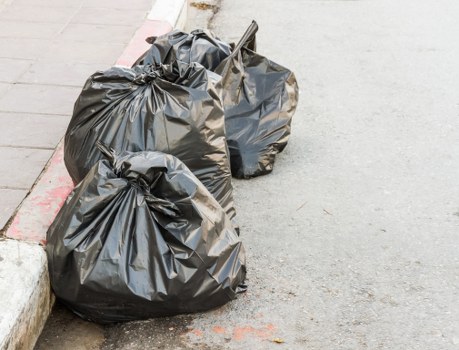 Commercial Waste Garston champions a practical, local approach to sustainable rubbish management. In this opening overview we describe how businesses in Garston and surrounding boroughs can join a coordinated, low-carbon shift toward better resource recovery. Our aim is to support an eco-friendly waste disposal area across the commercial sector, helping reduce landfill, cut emissions and improve circular reuse. The boroughs' approach to waste separation — with clear streams for paper, mixed plastics, glass, food and general residuals — provides the operational backbone for business recycling schemes that actually work.
Commercial rubbish Garston initiatives are built on measurable targets. We propose a bold and achievable recycling percentage target of 65% diverted from landfill within five years for participating commercial accounts. This target balances ambition with practicality: it reflects current local infrastructure capacity, anticipated improvements at transfer stations and the need to scale partnerships with third-sector organisations to increase reuse and donation rates.

Local Transfer Stations and Waste Hubs
The network of nearby transfer stations and waste hubs is essential to any eco-friendly disposal strategy. Garston benefits from several municipal and privately operated transfer points where separated commercial loads are consolidated before onward recycling or energy recovery. Using local transfer stations reduces mileage, lowers carbon intensity and shortens processing times — all key to building a credible low-carbon commercial waste service. Waste consolidation at these hubs also enables higher-quality recycling because materials remain cleaner and are less contaminated when collected in segregated containers.Low-Carbon Collection: Vans and Vehicle Strategy
Adopting low-carbon vans is a central part of moving commercial waste Garston toward sustainability. Fleet modernization includes electric and hybrid collection vehicles and the use of route-optimisation software to cut unnecessary miles. By combining walk-and-kerbside collections with consolidation at transfer stations, businesses can access a low-emission collection option that is both reliable and cost-efficient. Municipal procurement policies that favour low-emission vehicles amplify the impact: fewer diesel runs means lower NOx and CO2 across the borough.In practice, fleets are being retrofitted and replaced in phases. Early adopters typically pair cargo e-vans for dense urban rounds with small hybrid trucks for heavier loads. This mixed approach preserves capacity while reducing overall fleet emissions. For small and medium enterprises that generate moderate volumes, pooled services and shared collections can provide access to low-emission vehicles without the capital cost of dedicated fleets.
 Partnerships with Charities and Reuse Networks
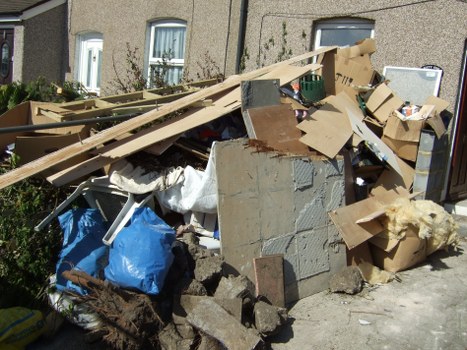
Strengthening links with local charities is a practical way to divert commercial items from waste streams and extend product life. Clothing, office furniture, surplus packaging and safe-to-reuse fixtures can be redirected through vetted charity partners and social enterprises. These partnerships create social value in addition to environmental benefit: items are reused locally, training and employment opportunities are supported, and disposal costs can fall. A formalised donation pathway ensures compliance with health and safety norms while providing transparent reporting for separated commercial loads.
Partnerships with Charities and Reuse Networks
Strengthening links with local charities is a practical way to divert commercial items from waste streams and extend product life. Clothing, office furniture, surplus packaging and safe-to-reuse fixtures can be redirected through vetted charity partners and social enterprises. These partnerships create social value in addition to environmental benefit: items are reused locally, training and employment opportunities are supported, and disposal costs can fall. A formalised donation pathway ensures compliance with health and safety norms while providing transparent reporting for separated commercial loads.
Sustainable Rubbish Area Practices and Waste Separation
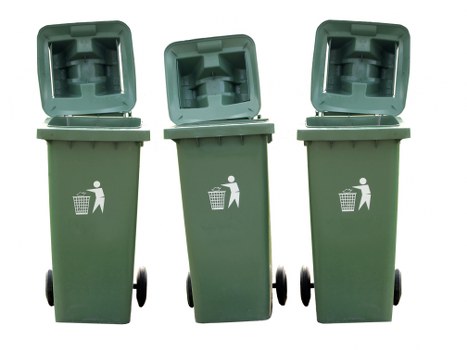
The success of any sustainable rubbish area depends on clear separation rules and consistent handling. Local borough policies encourage businesses to segregate recycling at source: glass and metals in dedicated containers, mixed rigid plastics in communal bins, paper and cardboard flattened and side-streamed, and food waste kept in sealed organics bins. Behavioural change programs — such as staff training sessions and visible signage — help maintain high capture rates, reducing contamination that can undermine recycling performance.To support these practices we recommend simple infrastructure upgrades: clearly labelled internal bins, secure outdoor collection points, and compactors or balers for bulky cardboard. Businesses in light industrial and retail parks can benefit from shared waste bays overseen by an appointed estate waste lead, improving consistency across multiple tenants and making the eco-friendly waste disposal area genuinely communal.
 Operational Tools: Data, Reporting and Targets
Robust data collection is essential for meeting the recycling percentage target and for tracking progress toward sustainability goals. Monthly tonnage reports, contamination metrics and route-level emissions figures allow businesses and fleet managers to adapt quickly. Setting interim milestones — for example, 45% diversion in year one, 55% by year three and 65% by year five — keeps the programme accountable and helps allocate investment into the most effective areas, whether that is education, infrastructure or vehicle upgrades.
Operational Tools: Data, Reporting and Targets
Robust data collection is essential for meeting the recycling percentage target and for tracking progress toward sustainability goals. Monthly tonnage reports, contamination metrics and route-level emissions figures allow businesses and fleet managers to adapt quickly. Setting interim milestones — for example, 45% diversion in year one, 55% by year three and 65% by year five — keeps the programme accountable and helps allocate investment into the most effective areas, whether that is education, infrastructure or vehicle upgrades.

Practical Initiatives and Community Alignment
A range of practical initiatives can be rolled out across the commercial waste Garston footprint: collection audits to identify opportunities, incentivised recycling schemes for multi-occupancy sites, and on-site pre-sorting services for complex waste streams like WEEE and construction waste. Aligning business efforts with borough-wide campaigns on composting, textile reuse and plastic reduction creates a cohesive local movement. This cohesion is vital: when individual businesses act in concert with local authorities and charities, the entire eco-system becomes more resilient and more effective at diverting waste from landfill.To summarise, creating a sustainable rubbish area in Garston means combining ambitious recycling targets with practical local infrastructure: well-managed transfer stations, partnerships with charities for reuse, modern low-carbon vans for collection, and clear waste separation rules. Together these elements form a replicable model for eco-friendly waste disposal that both reduces environmental impact and builds community value.
Commercial Waste Garston represents a pragmatic, place-based route to sustainability — one where businesses, charities and local transfer stations work together to increase recycling, reduce carbon and preserve resources for the long term.
