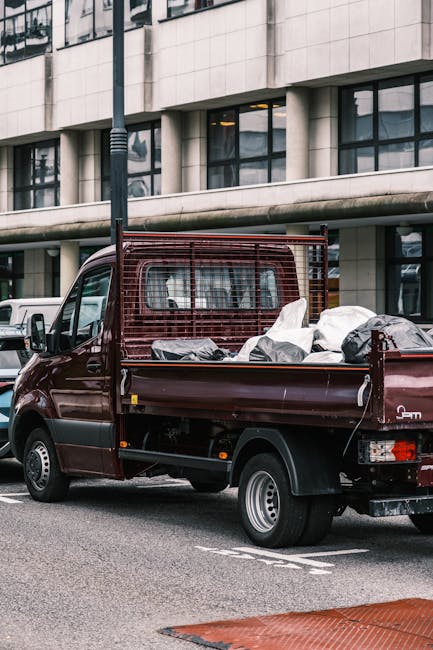
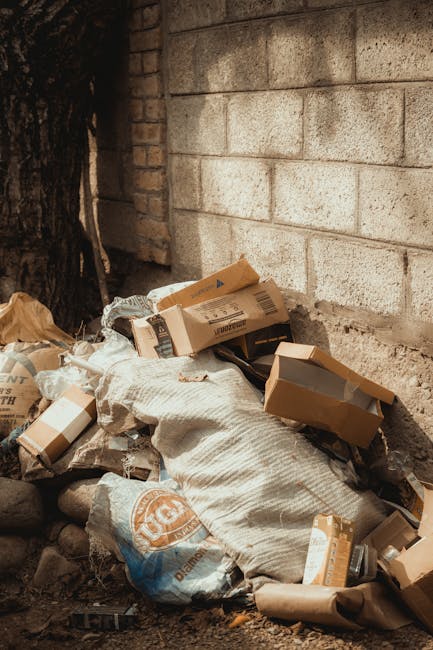
Quick rubbish removal near Garston Docks for heavy items
If you are staring at a sofa that will not budge, a broken fridge that needs two people to lift, or a pile of wet builders' offcuts blocking the only clear walkway, you already know the problem. Heavy waste is not just inconvenient; it can slow down a move, trip up a workplace, or turn a simple clear-out into a full weekend headache. Quick rubbish removal near Garston Docks for heavy items is about getting that clutter moved safely, promptly, and without the drama.
Near Garston Docks, access can be tight, loading can be awkward, and the last thing anyone wants is a heavy object balanced in a corridor while the kettle boils. This guide walks through how fast heavy-item removal works, what to expect, what to avoid, and how to choose the right approach for furniture, appliances, and bulky waste. It is practical, local, and honest - because sometimes you just need the job done.
Table of Contents
- Why Quick rubbish removal near Garston Docks for heavy items Matters
- How Quick rubbish removal near Garston Docks for heavy items Works
- Key Benefits and Practical Advantages
- Who This Is For and When It Makes Sense
- Step-by-Step Guidance
- Expert Tips for Better Results
- Common Mistakes to Avoid
- Tools, Resources and Recommendations
- Law, Compliance, Standards, or Best Practice
- Options, Methods, or Comparison Table
- Case Study or Real-World Example
- Practical Checklist
- Conclusion
- Frequently Asked Questions
Why Quick rubbish removal near Garston Docks for heavy items Matters
Heavy items are a different kind of nuisance. A few bin bags can be shifted easily enough, but a wardrobe, mattress, fridge, or cabinet needs planning, safe handling, and enough muscle to do the job without damage. Around Garston Docks, where commercial and residential spaces often mix, speed matters as much as strength. One blocked entrance or one awkward stairwell can stall everything.
Quick removal matters because heavy waste tends to create a chain reaction. A sofa left in a hallway can limit access for tradespeople. An old fridge taking up a loading bay can upset a delivery schedule. Construction waste, broken pallets, and office furniture can make a site look unfinished, even when the real work is done. And let's face it, once bulky junk starts collecting dust, it somehow feels heavier every day.
There is also a safety angle. The wrong lifting technique, a rushed carry, or a poor route through the building can lead to injuries or damage to walls, lifts, doors, and flooring. That is not just annoying; it can be expensive. A quick, organised removal plan reduces that risk and makes the whole process smoother from the start.
For local businesses, landlords, and homeowners alike, fast heavy-item clearance also helps protect schedules. A flat can be turned around sooner. An office can reopen faster. A garage can become usable again instead of remaining a storage graveyard for "things we will deal with later."
In short: speed is useful, but safe speed is the real goal.
How Quick rubbish removal near Garston Docks for heavy items Works
The process is usually simpler than people expect. A good heavy-item clearance service starts by understanding what needs removing, how accessible it is, and whether anything needs special handling. A cast-iron bath is not the same as a flat-pack desk, and a fridge needs more care than a broken chair.
In a typical job, the team will ask for a rough description of the items, access details, and anything that might affect lifting or loading. That might include stairs, narrow corridors, basement storage, a loading area, parking limits, or fragile surfaces. If you are near the docks, those practical details can really matter. Not glamorous, but very real.
Once the team arrives, they will usually assess the load, plan the safest route, and move items out in a controlled way. Heavy items may be dismantled where sensible. For example, a bed frame, wardrobe, or office cabinet might come apart quickly and save a lot of strain. Items are then loaded, sorted, and taken for reuse, recycling, or disposal depending on condition and type.
For mixed clearances, the best services often handle a wider range of waste in one visit. That can include furniture, appliances, old fixtures, bagged waste, and light builders' debris. If you are dealing with renovation leftovers, builders' waste clearance can be a useful fit. If the job is broader and includes household clutter, waste removal may be the better route.
There is usually a final sort after collection. Reusable items may be separated from recyclable material, and specialist items are handled according to their type. That part matters more than most people realise. Fast does not have to mean careless.
Key Benefits and Practical Advantages
There are a few obvious benefits to quick rubbish removal, but the real value often shows up in the details.
- Less physical strain: Heavy lifting is where mistakes happen. Professional removal reduces the chance of back injuries, dropped items, and awkward accidents.
- Faster space recovery: That spare room, shop back area, yard, or garage becomes usable again the same day, or close to it.
- Cleaner presentation: If you are selling, letting, or handing over a property, a clear space looks far more ready.
- Less disruption: A single visit can be easier than several DIY trips to a facility, especially if parking and traffic are awkward.
- Better handling of awkward items: Some bulky items are cumbersome rather than just heavy. The shape matters, not just the weight.
- Useful for mixed waste: You may not need separate arrangements for furniture, appliances, and general rubbish.
There is also a quieter benefit: peace of mind. The moment the bulky item is gone, the whole space feels lighter. Sounds obvious, but you notice it. The room breathes again.
If you are trying to keep an office running, a home move on track, or a refurbishment moving forward, that kind of momentum is worth a lot. It is not just rubbish removal. It is one less thing hanging over your day.
Who This Is For and When It Makes Sense
This service makes sense for a surprisingly wide range of people. Some jobs are one-off and urgent. Others are routine but awkward. Either way, heavy-item removal tends to be the thing people leave until the last minute, which is understandable and slightly chaotic, to be fair.
Homeowners and tenants
If you are clearing out a property, replacing old furniture, or removing bulky items before a move, quick removal can save a lot of time. It is especially useful when the item is too large for your car, too heavy for one person, or too awkward to drag down stairs without a second set of hands.
Landlords and letting agents
End-of-tenancy clearances often involve a mixture of furniture, mattresses, and random leftovers. The quicker the property is emptied, the quicker it can be cleaned, repaired, and re-let. That can matter a lot when turnaround time is tight.
Businesses and site managers
Offices, workshops, shops, and hospitality spaces often accumulate heavy waste without noticing. Old desk systems, filing cabinets, broken fridges, and damaged stock can sit in corners for weeks. That is where fast commercial collection earns its keep. If the job is mainly business-related, business waste removal may be the most relevant service.
Trades and refurbishment teams
Builders, decorators, and kitchen fitters know the pain of bulky leftover material. Skips are not always ideal, especially where access is tight or the job is small but messy. For certain projects, it can be smarter to clear items directly rather than leave them on site. If you want to compare disposal options, what can go in a skip is a useful reference point.
It also makes sense when you have one particularly difficult item. A single old appliance, a mattress, or a sofa can be enough to justify professional help. One sofa is never "just one sofa" when it is stuck in the hallway.
Step-by-Step Guidance
If you want the smoothest outcome, a little preparation goes a long way. Here is a practical way to approach heavy-item rubbish removal without overcomplicating it.
- Identify exactly what needs removing. Make a quick list. Include size, approximate weight, and whether the item is intact or broken apart.
- Check access. Measure doorways if needed. Note stairs, lifts, low ceilings, narrow turns, or parking restrictions.
- Separate hazardous or special waste. Fridges, freezers, chemicals, paint, and certain appliances may need different handling. If you are unsure, ask before collection. A dedicated hazardous waste disposal page can help you understand the difference in handling expectations.
- Clear a path. Move small objects, rugs, pets, and anything fragile out of the way. It sounds simple, but it prevents delays.
- Choose the right service type. A sofa removal, fridge pickup, house clearance, or office clearance might be the best match depending on the job.
- Ask about loading and disposal. Reputable services should explain what happens after collection, including recycling or reuse where possible.
- Book a time that suits the access situation. Early morning or quieter periods can help if parking is tight or the building is busy.
- Keep the route open on the day. This is the bit people forget. A clean route saves more time than you think.
For heavier furniture or bulky household pieces, it can also be helpful to look at specialist options such as furniture clearance or mattress and sofa disposal. If the item is an appliance, fridge and appliance removal is often the most sensible fit.
One small but useful tip: take a quick photo before collection. Not because anyone needs an album of old rubbish, but because it helps confirm exactly what needs removing and avoids awkward guessing.
Expert Tips for Better Results
Here is where a bit of experience pays off. Heavy-item removal goes much better when you think like a crew, not just a customer.
Tip 1: Don't leave the heaviest item for last. Put it first on the list, first in the route, and first in the conversation. If the bulkiest piece is awkward, everything else can be planned around it.
Tip 2: Break down what can be safely dismantled. Wardrobes, bed frames, shelving, and office furniture often become far easier once separated. But do not force anything that feels unstable or sharp. Common sense first.
Tip 3: Be honest about access. If parking is limited or the item sits three floors up, say so. A few extra details at the start can save a lot of back-and-forth later.
Tip 4: Match the service to the item type. Sofas, fridges, garden waste, loft clutter, and garage junk all behave differently. The wrong service can still work, but it may not be the quickest or cleanest option. For example, a packed garage might be better handled through garage clearance, while an attic full of mixed clutter may suit loft clearance.
Tip 5: Ask how the waste is handled after collection. A trustworthy provider should be comfortable talking about recycling, donation where suitable, and responsible disposal. That matters if you want the job done properly, not just quickly.
Tip 6: Keep communication simple. A straight description beats a long explanation. "One broken sofa, one fridge, two dismantled wardrobes, access by side gate" is much more useful than a paragraph of uncertainty.
Expert summary: The fastest heavy-item clearance jobs are rarely the ones with the biggest crew; they are the ones with the clearest information, safest access, and the fewest surprises on arrival.
Common Mistakes to Avoid
Heavy rubbish removal sounds straightforward until one small error turns it into a slog. The usual mistakes are avoidable, thankfully.
- Underestimating weight: What looks manageable often is not. Large furniture can be deceivingly heavy.
- Forgetting access issues: A clear item is still a problem if it cannot fit through the doorway or down the stairs.
- Mixing special waste with general rubbish: Appliances, sharp materials, and hazardous items should not be treated the same way as basic clutter.
- Waiting until the last minute: If a move-out or refurbishment deadline is looming, leave yourself some buffer.
- Assuming every service handles everything: Some services are better for furniture, others for office waste, and others for mixed clearances. The right fit saves time.
- Not checking what is included: Loading, labour, disposal, and recycling practices can vary. Ask clearly.
A common one is the "we'll just carry it ourselves" plan. Fine in theory. Less fine when the item catches on a stair rail and everyone freezes for a second. Nobody enjoys that moment.
Another mistake is failing to think about the end point. If you only focus on removing the item from the room and not what happens after, you can end up with the waste sitting elsewhere on the property. That is not really a solution, just a temporary hide-and-seek game.
Tools, Resources and Recommendations
You do not need a warehouse of equipment to make heavy-item removal easier, but a few practical tools and resources help a lot.
- Measuring tape: Useful for doorways, stair widths, and awkward corners.
- Protective gloves: Good for moving sharp-edged or dusty items.
- Blankets or floor coverings: Helpful if you want to protect hallways and thresholds.
- Basic screwdriver or hex key set: Handy if an item can be safely dismantled.
- Phone camera: Great for recording access points and item condition before removal.
If you are planning a wider clean-out, a few site-specific services may also help. For domestic spaces, home clearance and house clearance can cover larger, mixed jobs. For commercial spaces, office clearance is worth considering if desks, chairs, filing units, and storage items are all going at once.
For people who want to compare prices or understand how quotes are built, pricing and quotes is a useful page to review before booking. If you care about what happens to the waste after it leaves site, recycling and sustainability is worth a look too.
And if you are unsure whether a job needs a specialist or a broader clearance, the main waste removal service can be a sensible starting point. Sometimes the simplest route is the right one.
Law, Compliance, Standards, or Best Practice
With rubbish removal, the legal and practical side matters because waste cannot just be moved anywhere and forgotten about. In the UK, responsible waste handling is not something to treat casually. You want to know the provider is operating safely, keeping records where required, and disposing of material appropriately.
For heavy items, the main best-practice points are straightforward:
- Safe lifting and handling: Heavy objects should be moved with appropriate care, planning, and enough people for the task.
- Proper sorting: Reusable, recyclable, and special items should be separated where possible.
- Suitable transport: Items must be loaded securely so they do not shift or cause damage in transit.
- Awareness of special waste: Fridges, appliances, and potentially hazardous items should be dealt with in the correct stream.
- Clear communication on responsibility: Both the customer and the service provider should understand what is being removed and from where.
Insurance is another practical safeguard. If heavy furniture is being taken through a property, accidental scuffs or knocks can happen even with careful handling. That is why it is reassuring when a business is transparent about insurance and safety. It is not exciting, no, but it matters.
For sensitive material, such as paperwork from an office or clear-out, it can also help to use confidential shredding as part of a wider disposal plan. Different waste streams need different treatment, and that is exactly how it should be.
Best practice in this area is really about doing the ordinary things properly: lifting safely, separating waste correctly, and not cutting corners to save five minutes.
Options, Methods, or Comparison Table
There is more than one way to move a heavy item out of a property. The best choice depends on how big the item is, how urgent the job feels, and how much lifting you want to do yourself. Here is a simple comparison.
| Method | Best for | Pros | Limitations |
|---|---|---|---|
| DIY lifting and car trips | Very small, manageable items | Can seem cheap upfront | Time-consuming, risky, awkward for large objects |
| Skip hire | Ongoing renovation or a lot of mixed waste | Good for larger volumes over time | Not ideal for very heavy lifting without help; access and permit issues may arise |
| Specialist heavy-item collection | Furniture, appliances, bulky household or office items | Fast, less physical effort, usually more convenient | May cost more than doing it yourself, depending on the load |
| Full property clearance | Homes, flats, garages, lofts, or offices with multiple items | Covers mixed waste in one visit | Can be more than you need for one item |
If your main challenge is a single bulky item, professional collection is often the easiest route. If you are clearing a whole property, broader services such as flat clearance can make more sense. And if you are dealing with old lounge furniture specifically, furniture disposal may be the most direct fit.
Case Study or Real-World Example
Here is a typical real-world situation. A small business near Garston Docks is refurbishing its front office. The team has three old desks, a filing cabinet, two broken visitor chairs, and a fridge in the back room that nobody wants to touch because it is awkwardly wedged against a wall. The space looks fine at first glance, but once you start moving things, the load becomes more annoying than expected.
The business needs the removal done before painters arrive the next morning. There is limited parking, a narrow access route, and one lift that is better described as "functional" than spacious. The sensible move is not to drag everything out in stages over several days. It is to describe the items accurately, confirm access, and book a collection that can handle heavy lifting and mixed waste in one go.
On the day, the team dismantles what they can, protects the route where needed, and clears the bulky items in one visit. The fridge is handled separately from the office furniture, the cabinet comes out without damaging the wall, and the site is ready for the next trade early the following morning. Simple, really. Not easy, but simple.
That kind of job shows why quick rubbish removal near Garston Docks for heavy items is less about "junk hauling" and more about keeping a project moving without unnecessary friction.
Practical Checklist
Before the collection day, run through this list. It will save a surprising amount of back-and-forth.
- List every heavy item clearly.
- Note whether any items are broken, sharp, or partly dismantled.
- Check stairs, lifts, parking, and access points.
- Measure doorways if the item is very large.
- Separate special items such as fridges, freezers, or anything potentially hazardous.
- Clear the route from the item to the exit.
- Remove fragile items, rugs, and loose cables.
- Tell the collection team about any narrow turns or loading restrictions.
- Confirm whether the job is a one-off or part of a wider clearance.
- Keep your phone handy in case access needs a quick clarification.
Checklist done. And yes, it sounds basic. That is because the basics are what keep the day calm.
Conclusion
Quick rubbish removal near Garston Docks for heavy items is really about making a difficult job feel manageable. Whether you are clearing a home, an office, a garage, or a mixed site with bulky waste everywhere, the value comes from speed, safety, and the right kind of planning. When those three things line up, the whole process feels lighter - literally and mentally.
Choose the service that fits the load, be clear about access, and do not leave heavy lifting to guesswork. That is the difference between a stressful clear-out and a tidy, practical solution that lets you get on with the rest of your day.
Get a free quote today and see how much you can save.
Sometimes the best part is not the removal itself, but the quiet after it - when the space is clear, the floor is visible again, and you can finally take a proper breath.
Frequently Asked Questions
What counts as a heavy item for rubbish removal?
Heavy items usually include bulky furniture, white goods, large cabinets, wardrobes, mattresses, safes, and awkward building materials. It is not only about pure weight; shape and size matter too. A light but oversized item can still be a real pain to move.
Can heavy items be removed quickly on the same day?
Often, yes, if the schedule and access allow it. Same-day collection usually depends on the number of items, how easy they are to reach, and whether any specialist handling is needed. The clearer your description, the smoother that tends to go.
Is it better to hire a skip or book rubbish removal for heavy items?
It depends on the job. Skips work well for ongoing renovation waste, while direct removal is often better for furniture, appliances, and items that are too awkward to load yourself. If lifting is the main issue, collection is usually the easier option.
Do I need to dismantle furniture before collection?
Not always. Many services can remove items whole if access allows. That said, taking apart a wardrobe, bed frame, or shelving unit can make the job quicker and less stressful. Only dismantle it if it can be done safely.
What happens to the heavy items after collection?
That varies by item type and condition. Reusable items may be separated, recyclable materials may be sorted, and other waste is disposed of responsibly. The important bit is that it should not simply be dumped and forgotten.
Can you remove fridges, freezers, and other appliances?
Yes, but appliances often need specific handling because of their materials and contents. A specialist appliance service is usually the safest route, especially for larger or older units.
What if the item is in a flat with stairs and no lift?
That is common enough. The key is to mention it in advance so the team can plan the lift, route, and number of people required. A narrow stairwell does not make the job impossible; it just needs better planning.
Are there items that cannot be taken with general rubbish removal?
Yes. Some hazardous or specialist materials need separate handling, and certain items may require different disposal arrangements. If you are unsure about paint, chemicals, or damaged electrical items, ask before booking.
How can I prepare for a quick heavy-item collection?
Identify the items, clear the access route, remove small obstacles, and tell the provider about parking or building restrictions. A few minutes of prep often saves a lot more time later. Honestly, it is one of those boring little jobs that pays off.
Will rubbish removal damage my walls or floors?
It should not, if the team is careful and the route is planned properly. Still, tight spaces and heavy objects always need attention. That is why good access information and safe handling matter so much.
Is heavy-item rubbish removal suitable for offices and commercial premises?
Absolutely. Offices often have bulky chairs, desks, storage units, broken appliances, and old equipment that cannot just be left around. Business clear-outs benefit a lot from a fast, organised removal plan.
How do I know if the price is fair?
A fair quote should make sense for the volume, weight, access difficulty, and item type. You do not need a complicated formula, just clarity. Compare what is included, and make sure there are no surprises about labour or disposal.